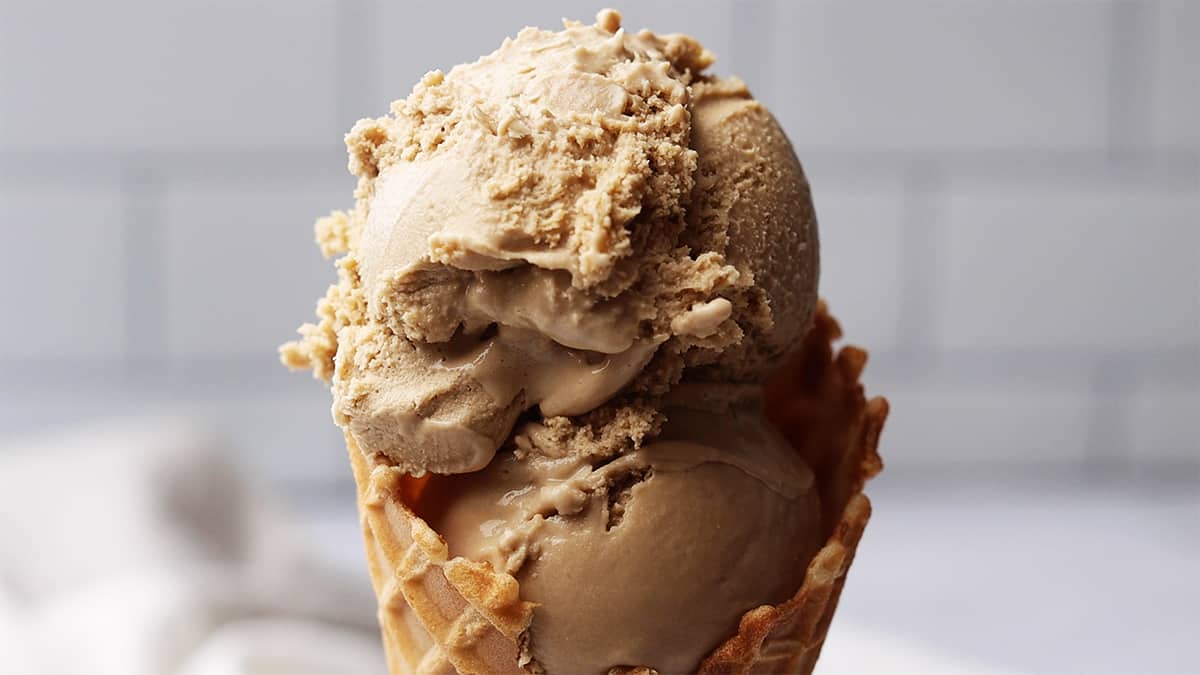
Caffeine or Decaf? Your Guide to Bold Coffee Ice Cream
For countless coffee aficionados, the day simply doesn't begin until that first aromatic cup is in hand. As the legendary Ree Drummond aptly puts it, "I wouldn't want to live in a world without coffee!" We wholeheartedly agree. But the love affair with coffee doesn't have to end with your morning brew. Imagine transforming that beloved flavor into a rich, creamy, and utterly irresistible dessert. We're talking about homemade coffee ice cream – a true coffee lover's dream! If you've ever wondered
how to make coffee ice cream that rivals your favorite parlor scoop, you're in the right place. Beyond just technique, we'll delve into a crucial decision: to caffeinate or decaffeinate your decadent treat.
The Heart of the Matter: Does Coffee Ice Cream Have Real Coffee?
Absolutely! The magic of coffee ice cream lies in infusing its base with genuine coffee flavor. There are several fantastic methods to achieve this bold, unmistakable taste, each offering slightly different nuances and convenience. Understanding these methods is the first step in learning
how to make coffee ice cream that truly sings.
*
Strongly Brewed Coffee: This is one of the most straightforward and effective approaches, often employed in many home recipes. Just like brewing your morning cup, you'll prepare a pot of coffee, but with an emphasis on strength. Espresso shots work exceptionally well for an intense flavor, or you can simply brew your regular coffee extra strong. The key here is concentration – you want that coffee flavor to stand out against the richness of the cream.
*
Instant Coffee or Espresso Powder: For sheer convenience without sacrificing much flavor, high-quality instant coffee granules or espresso powder are excellent choices. They dissolve easily into the ice cream base, providing a consistent and robust coffee punch. A good rule of thumb is to use twice the amount of granules for the recommended water amount if you were just making a drink, ensuring a powerful coffee essence in your ice cream.
*
Cold-Brew Concentrate: A fantastic option that offers both strength and smoothness. Cold-brew concentrate is naturally less acidic and delivers a deep coffee flavor without the bitterness that can sometimes accompany hot-brewed coffee. Using a concentrate also streamlines the process, as there's no need to brew a fresh batch of hot coffee before incorporating it into your chilled base.
*
Steeping Whole Beans: While not as common for every recipe, some methods involve steeping whole, freshly roasted coffee beans directly into the cream mixture as it warms. This gentle infusion extracts the delicate aromatics and oils from the beans, resulting in a complex and nuanced coffee flavor.
Whichever method you choose, the goal is always the same: to ensure the coffee flavor is pronounced and truly shines through the creamy, sweet base. This robust coffee presence is what elevates homemade coffee ice cream above many store-bought varieties.
Caffeine or Decaf? Crafting Your Bold Coffee Ice Cream Experience
This is where the "Caffeine or Decaf?" dilemma truly comes into play, offering a spectrum of possibilities for your coffee ice cream adventure. Since homemade coffee ice cream uses actual coffee, yes, the caffeine will absolutely be present in the final scoop if you use regular coffee. For many, this is part of the appeal – a delightful pick-me-up dessert!
However, the beauty of making your own ice cream is the control you have over every ingredient. This means you can easily tailor your batch to be entirely caffeine-free, making it suitable for any time of day or any family member.
*
Embracing the Jolt: The Caffeine Choice
If you're making coffee ice cream for an afternoon treat or simply enjoy a post-dinner caffeine boost, then full-strength, strongly brewed coffee, espresso, or instant coffee is your go-to. The invigorating kick complements the rich sweetness, creating a truly exhilarating dessert experience. Imagine a scoop of this alongside a rich chocolate cake – a match made in heaven for those who don't shy away from caffeine.
*
The Gentle Indulgence: Opting for Decaf
For those who crave the bold flavor of coffee without the stimulating effects, decaffeinated coffee is your best friend. This option is perfect for:
*
Late-Night Cravings: Enjoy a substantial scoop after dinner without worrying about it disrupting your sleep.
*
Coffee-Loving Kids: As one parent shared, their "coffee kid" absolutely adored coffee ice cream on vacation, prompting them to create a decaf version at home. Using strongly brewed decaffeinated coffee or high-quality decaf instant coffee allows children to enjoy this grown-up flavor without the caffeine.
*
Caffeine-Sensitive Individuals: If you love the taste of coffee but are sensitive to caffeine, decaf ice cream means you don't have to miss out on this delightful dessert.
When choosing decaf, don't compromise on flavor. Seek out *strongly brewed decaffeinated coffee* or use a *high-quality decaf instant coffee* or espresso powder. Modern decaffeination processes are highly effective, and many decaf coffees retain a remarkably rich and complex flavor profile that will translate beautifully into your ice cream. The result is an ultra-creamy, bold coffee ice cream that satisfies all the cravings, sans the jolt.
Beyond the Brew: Essential Ingredients for Ultra-Creamy Homemade Coffee Ice Cream
Achieving that luxurious, ultra-creamy texture in homemade coffee ice cream isn't just about the coffee; it's also about the carefully chosen dairy and other foundational ingredients. Most exceptional homemade coffee ice cream recipes, especially those that rival gourmet parlors, rely on a rich custard base. For a deep dive into what makes this dessert so good, check out our guide on
Ingredients for The Best Homemade Coffee Ice Cream.
*
The Dairy Blend: Half-and-Half, Heavy Cream, and Whole Milk
The secret to unparalleled creaminess often lies in the fat content of your dairy. Many recipes, including our favorites, call for a combination of liquids, totaling around 3 cups.
*
Heavy Cream: The cornerstone of rich ice cream, providing a high fat content that results in a smooth, velvety texture and minimizes ice crystal formation.
*
Half-and-Half: A blend of whole milk and light cream, it offers a good balance of richness without being overwhelmingly heavy when combined with full cream.
*
Whole Milk: While containing less fat than cream, whole milk contributes to the liquid volume and helps create a balanced consistency.
You can adjust the ratios of these components to your liking, as long as the total liquid amount remains consistent. For an extra decadent treat, lean more heavily on the heavy cream; for a slightly lighter (but still creamy) version, increase the half-and-half or even incorporate some whole milk.
*
Sweetener: Granulated Sugar
Granulated sugar is the standard sweetener, providing not only sweetness but also contributing to the ice cream's smooth texture by lowering its freezing point. Organic cane sugar is an excellent substitute for white granulated sugar if you prefer.
*
Salt: Fine Sea Salt
A pinch of salt might seem counterintuitive in a sweet dessert, but it's a flavor enhancer. Fine sea salt is recommended for its pure taste and fine texture. If you're using iodized table salt, remember to reduce the amount by half, as it's typically saltier by volume and can impart a metallic taste if overused.
*
Pure Vanilla Extract or Vanilla Bean Paste
Vanilla is a non-negotiable ingredient that harmonizes beautifully with coffee, adding depth and warmth to the overall flavor profile. Always opt for
pure vanilla extract over imitation versions. For an even more intense and visually appealing vanilla presence, especially if you want to see those tiny black specks, vanilla bean paste is a fantastic substitute.
*
Egg Yolks: The Custard's Secret Weapon
This ingredient is what truly distinguishes a rich, dense, and ultra-creamy homemade ice cream from a simpler "no-churn" variety. Egg yolks are essential for creating a custard base. When gently cooked, the proteins in the yolks emulsify the fats in the cream, resulting in an incredibly smooth, stable, and luxurious texture that resists iciness.
Mastering the Art of Homemade Coffee Ice Cream: Key Steps and Tips
Embarking on the journey of
how to make coffee ice cream from scratch is incredibly rewarding. While it requires a bit of patience, the steps are straightforward and lead to a dessert far superior to anything you'll buy. For comprehensive guidance on achieving that perfect, velvety consistency, you'll want to read our full article on
How to Make Ultra-Creamy Homemade Coffee Ice Cream.
The process typically involves creating a cooked custard base, which then needs ample time to chill before churning.
1.
Warm the Dairy: Begin by gently warming your half-and-half, heavy cream, sugar, and salt in a medium saucepan over medium heat. Whisk continuously until the sugar is completely dissolved. Avoid boiling the mixture.
2.
Temper the Egg Yolks: In a separate bowl, lightly beat your egg yolks. This is a crucial step to prevent the yolks from scrambling when introduced to the warm dairy. Slowly ladle about ½ cup of the warm dairy mixture into the beaten egg yolks, whisking constantly. This gradually brings the yolks up to temperature.
3.
Combine and Thicken: Pour the tempered egg yolk mixture back into the saucepan with the remaining warm dairy. Continue to cook over medium-low heat, stirring constantly with a wooden spoon or spatula, until the mixture thickens enough to coat the back of the spoon. Do not allow it to boil, as this can curdle the eggs. This usually happens around 175-180°F (80-82°C).
4.
Add the Coffee and Vanilla: Once the custard has thickened, remove it from the heat and stir in your chosen strong coffee or espresso, and the pure vanilla extract.
5.
Strain and Chill: For an incredibly smooth, silky texture, pour the custard base through a fine-mesh sieve into a clean bowl. This removes any tiny bits of cooked egg or undissolved solids. Now comes the most important waiting game: the chilling. Cover the bowl and refrigerate the mixture for at least 4 hours, but preferably overnight. This extended chilling time is vital for both flavor development and for ensuring the mixture is cold enough for proper churning, preventing a grainy, icy texture.
6.
Churn: Once thoroughly chilled, pour the base into your ice cream maker and churn according to the manufacturer's instructions.
7.
Freeze to Firm: Transfer the freshly churned, soft-serve consistency ice cream to an airtight container and freeze for several hours until firm.
Pro Tips for Perfect Coffee Ice Cream:
*
Pre-chill Everything: Make sure your ice cream maker bowl (if using one that requires pre-freezing) is completely frozen, and all your ingredients are cold.
*
Don't Rush the Custard: Cook slowly and patiently, stirring constantly, to avoid curdling. A good instant-read thermometer can be a great asset here.
*
Quality Coffee Matters: Whether caffeinated or decaf, use a coffee you genuinely enjoy the taste of, as its flavor will be concentrated in the ice cream.
The Perfect Pairing: What to Serve with Your Coffee Ice Cream
Once you've mastered
how to make coffee ice cream, the next delightful question is what to serve alongside it. Ree Drummond offers excellent advice: "I like the coffee in the desserts to shine, so I usually don't pair a coffee drink with them!" Think of this creamy, bold ice cream as your coffee drink, allowing its unique flavor to be the star.
To complement its rich, robust profile, lean towards desserts that offer a contrasting yet harmonious flavor, especially chocolate.
*
Classic Chocolate Pairings:
*
Warm Chocolate Lava Cake: The warm, gooey center of a lava cake is the perfect counterpoint to cold, creamy coffee ice cream.
*
Rich Chocolate Sheet Cake or Brownies: A slice of dense chocolate cake or a fudgy brownie provides a comforting base.
*
Chocolate Pie: The flakiness of a pie crust and the smooth chocolate filling marry beautifully with the coffee.
*
Other Delicious Additions:
*
Caramel Sauce: A drizzle of homemade or high-quality caramel sauce enhances the inherent notes in coffee.
*
Whipped Cream: A dollop of fresh, lightly sweetened whipped cream adds another layer of luxury.
*
Toasted Nuts: Chopped pecans, walnuts, or almonds provide a textural crunch.
*
Cocoa Powder or Chocolate Shavings: A light dusting or sprinkling adds visual appeal and a subtle chocolate hint.
Conclusion
Whether you opt for the invigorating kick of regular coffee or the gentle indulgence of decaf, learning
how to make coffee ice cream at home is a culinary journey well worth taking. From selecting your preferred coffee infusion method to perfecting the creamy custard base, every step contributes to a dessert that’s rich, satisfying, and bursting with bold coffee flavor. This easy-to-make, seven-ingredient recipe promises an ultra-creamy treat far superior to anything store-bought, allowing you to enjoy your favorite flavor in the comfort of your own home, anytime the craving strikes. So grab your ingredients, fire up that ice cream maker, and prepare to delight your taste buds with the best homemade coffee ice cream you’ve ever tasted.