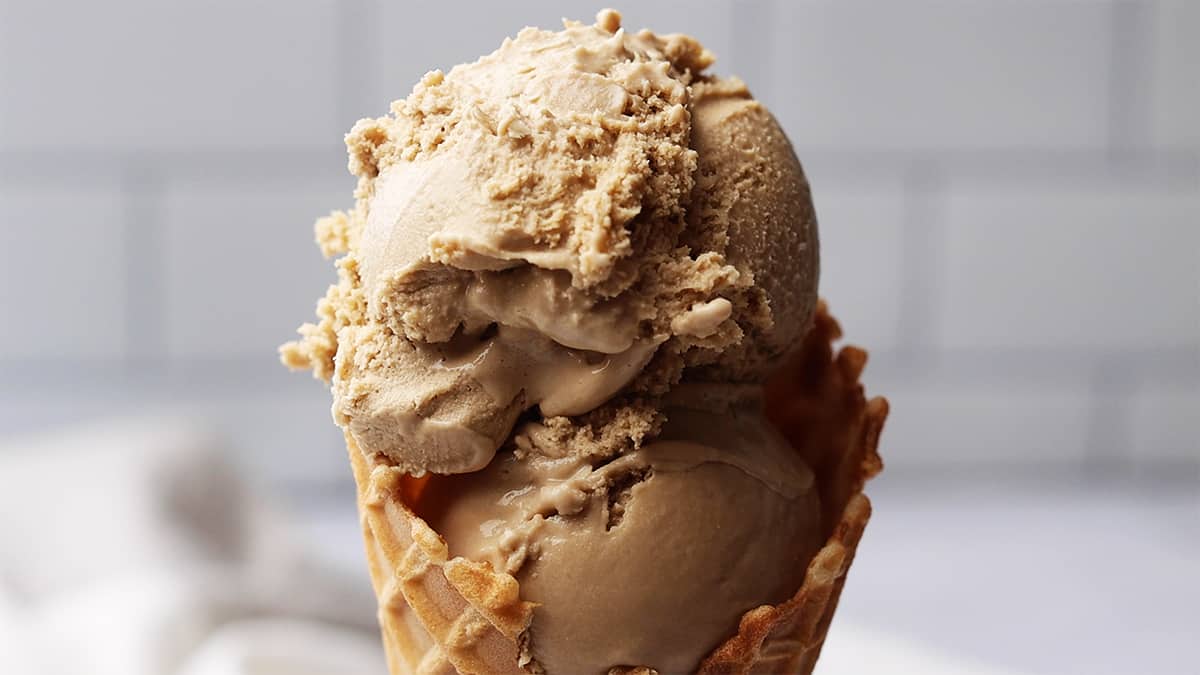
Unlocking the Magic: The Core Ingredients for The Best Homemade Coffee Ice Cream
For many, life without coffee is simply unimaginable. From that invigorating morning brew to a comforting afternoon pick-me-up, coffee is a beloved staple. So, it's no surprise that its rich, robust flavor translates beautifully into one of the most adored desserts: coffee ice cream. Ditching the store-bought tubs and crafting this creamy delight at home allows for unparalleled control over flavor and texture, resulting in a treat that truly sings. If you've ever wondered how to make coffee ice cream that rivals your favorite scoop shop, it all starts with understanding the right ingredients and how they work together.
Creating the best homemade coffee ice cream isn't just about combining a few items; it's about selecting quality components that contribute to a perfectly balanced, ultra-creamy, and deeply flavorful experience. We'll dive into each essential ingredient, explaining its role and offering expert tips for achieving ice cream perfection, every single time.
The Heart of the Flavor: Choosing Your Coffee
Undoubtedly, the most critical ingredient in coffee ice cream is, well, the coffee itself! The depth and intensity of your ice cream's flavor hinge entirely on your coffee selection and preparation. This is where you truly define whether your ice cream will be subtly fragrant or boldly robust.
- Strongly Brewed Coffee or Espresso: This is a simple and effective method. Just as Ree Drummond’s famous recipes often call for strong flavors, a potent coffee concentrate ensures your ice cream isn't bland. Brewed espresso works wonderfully, offering a concentrated burst of flavor without adding excessive liquid. For drip coffee, aim for a darker roast and use less water than usual to create a super-strong brew.
- Instant Coffee Granules or Espresso Powder: A fantastic secret weapon for convenience and flavor intensity. High-quality instant coffee or espresso powder dissolves directly into your dairy mixture, infusing it thoroughly. You can adjust the amount to taste, making it easy to achieve your desired boldness. A general rule of thumb when using instant coffee is to use twice the amount of granules for the recommended amount of water, then add that concentrated mix to your ice cream base.
- Cold Brew Concentrate: An excellent option for those looking to skip the brewing step entirely. Cold brew concentrate is naturally potent and less acidic than hot-brewed coffee, which can result in a smoother, richer coffee flavor in your ice cream. Its convenience makes it a favorite for many home cooks.
- Whole Coffee Beans (Steeping Method): While not explicitly mentioned in the recipe snippets, steeping whole beans in the warm cream mixture is another classic technique. This imparts a more nuanced, aromatic coffee flavor without the bitterness some brewed coffees can bring. However, it requires an extra step of straining the beans before chilling.
- Decaffeinated Options: Worried about a late-night caffeine jolt? Or perhaps you're making this for younger coffee enthusiasts? Fear not! You can absolutely achieve that rich coffee flavor with strongly brewed decaffeinated coffee or decaf instant coffee. As one source notes, this is perfect for "coffee-loving kids like my son!" For a detailed guide on managing caffeine levels, check out our related article: Caffeine or Decaf? Your Guide to Bold Coffee Ice Cream.
Expert Tip: Always taste your coffee concentrate before adding it to the base. It should taste almost too strong to drink on its own – this ensures the flavor won't get lost when diluted with dairy and sugar, and then chilled.
Creamy Foundation: Dairy & Sweeteners
The lush, velvety texture of the best homemade coffee ice cream comes primarily from its dairy base and the perfect balance of sweetness.
Dairy: The Key to Creaminess
A rich ice cream base requires a combination of high-fat dairy products. The fat content is crucial for preventing ice crystals and delivering that signature melt-in-your-mouth texture.
- Heavy Cream: This is your primary player for ultimate creaminess. With a fat content of at least 36%, heavy cream provides the richness that sets homemade ice cream apart from many store-bought varieties.
- Half-and-Half: Often used in conjunction with heavy cream, half-and-half (typically 10-18% milk fat) helps balance the richness without sacrificing too much body. You can adjust the ratio of heavy cream to half-and-half to customize the texture. For instance, using more heavy cream will result in a denser, richer ice cream, while more half-and-half or even whole milk will yield a lighter, still creamy, but slightly less dense scoop. The total liquid dairy amount (e.g., 3 cups) is key, so feel free to experiment with your preferred fat levels.
- Whole Milk: While not as rich as cream, a touch of whole milk can contribute to the overall liquid volume and lighten the base slightly, allowing the coffee flavor to shine through more distinctly without being overwhelmed by richness.
Expert Tip: For an ultra-creamy result, don't skimp on the heavy cream. The higher fat content is your best friend against icy textures.
Sweeteners: More Than Just Flavor
Sugar does more than just sweeten your ice cream; it also plays a vital role in its texture by lowering the freezing point, which helps keep the ice cream softer and scoopable.
- Granulated Sugar: Standard white granulated sugar is the most common choice. It dissolves easily and provides a clean sweetness that allows the coffee flavor to dominate.
- Organic Cane Sugar: A great substitute for white granulated sugar if you prefer a less refined option. It behaves similarly in the ice cream base.
- Other Sweeteners: While not typically used in traditional recipes, some adventurous home cooks might experiment with brown sugar for a hint of caramel, or even maple syrup for a different flavor profile. However, be mindful that liquid sweeteners can affect the overall liquid content and freezing point differently, so adjustments might be needed.
Expert Tip: Avoid reducing sugar too drastically in an ice cream recipe, especially if you're new to making it. It can lead to an icy, hard-to-scoop texture. Finding that perfect balance of sweetness and functionality is key to understanding How to Make Ultra-Creamy Homemade Coffee Ice Cream.
The Secret to Silky Smoothness: Eggs & Emulsifiers
Many of the best homemade ice cream recipes, especially those known for their luxurious texture, are custard-based. This means they incorporate egg yolks, which are critical for an incredibly smooth and rich mouthfeel.
- Egg Yolks: The magic behind a true custard ice cream. Egg yolks act as both a thickener and an emulsifier. When tempered and cooked gently with the dairy mixture, they create a rich, silky base that prevents ice crystals from forming as readily. This results in an ice cream that's incredibly smooth, dense, and scoopable, far superior to many no-churn or eggless varieties. The process involves whisking egg yolks in a separate bowl and then slowly adding some of the warm dairy mixture to them (tempering) before returning everything to the saucepan to thicken.
Expert Tip: Always temper your egg yolks gradually to avoid scrambling them. Whisk constantly as you slowly pour a small amount of the hot dairy into the yolks, then add that mixture back to the saucepan. Cook over medium heat, stirring constantly, until the custard coats the back of a spoon. A fine-mesh strainer is your friend here – straining the custard after cooking removes any tiny bits of cooked egg, ensuring a perfectly smooth base.
Essential Flavor Boosters & Optional Mix-ins
While coffee is the star, a few supporting actors can enhance the overall profile of your homemade ice cream.
- Pure Vanilla Extract or Vanilla Bean Paste: Vanilla is often the unsung hero, adding warmth and depth that complements and amplifies the coffee flavor without overpowering it. Always opt for pure vanilla extract or, for an extra gourmet touch, vanilla bean paste. As the reference suggests, imitation vanilla simply won't yield the same quality result.
- Fine Sea Salt: A pinch of salt might seem counterintuitive in a dessert, but it's a flavor enhancer. Salt balances the sweetness and makes the coffee notes pop even more, preventing the ice cream from tasting one-dimensional. If using iodized salt, remember to reduce the amount by half as it's stronger than fine sea salt.
- Optional Mix-ins: Once your ice cream is churned and ready for hardening, consider adding some textural and flavor contrasts:
- Chocolate Chips or Chunks: A classic pairing, especially dark chocolate, which provides a lovely bitterness against the sweet coffee.
- Espresso Beans (Chocolate Covered): For an extra coffee punch and delightful crunch.
- Caramel Swirl: A ribbon of homemade or high-quality caramel sauce can add another layer of sweetness and richness.
Serving Your Masterpiece: Perfect Pairings
Once you've mastered how to make coffee ice cream, the next step is enjoying it! As Ree Drummond wisely advises, let the coffee flavor in the dessert truly shine. This means avoiding pairing it with another coffee drink, allowing the ice cream itself to be the "coffee course."
Instead, think about complementary flavors and textures. Coffee ice cream pairs exquisitely with rich, chocolatey desserts. Imagine a scoop melting lusciously atop a warm chocolate lava cake, alongside a slice of decadent chocolate sheet cake, or nestled beside a creamy chocolate pie. The bitterness of the chocolate provides a wonderful counterpoint to the sweetness and coffee notes of the ice cream, creating a truly harmonious dessert experience.
Crafting your own homemade coffee ice cream is a rewarding culinary adventure. By carefully selecting your coffee, understanding the role of each dairy component, mastering the custard base, and enhancing with vanilla and salt, you'll create a dessert that is not only better than store-bought but also a testament to your newfound ice cream making skills. Prepare to delight your taste buds and impress your guests with this rich, ultra-creamy, and boldly flavorful treat!
